

An inground pool installation is one of the biggest home improvement projects a family can take on. The process moves through several phases, involves multiple trades, and rewards homeowners who understand what is happening at each stage. Whether you live in Nashville, Murfreesboro, Lebanon, Goodlettsville, or Nolensville, this guide walks through the entire inground pool installation process so you know exactly what to expect. It also points to the inground pool services that local families trust most.
What Inground Pool Installation Actually Looks Like
Inground pool installation is the full sequence of work that turns a flat backyard into a finished, working pool. The process involves design, permitting, excavation, structure, plumbing, electric, finish, decking, and startup. Each phase has its own crew, its own materials, and its own inspections.
In Middle Tennessee, a typical inground pool installation takes between eight and fourteen weeks from groundbreaking to first swim. Weather, permits, and any HOA review can shift that window. Good builders give you a clear schedule and update it weekly.
Phase 1: Design and Permits
The installation starts on paper. The design phase produces a build-ready plan that includes the pool shape, depth, features, materials, equipment list, and decking layout. Once the design is approved, the builder pulls permits with the local jurisdiction.
In Davidson, Williamson, Rutherford, and Wilson counties, permits typically take one to three weeks depending on the workload at the local office. HOA reviews can add time, so reputable inground pool installation crews submit early and follow up regularly.
By the end of Phase 1, you should have:
- A signed contract with a clear schedule of values
- An approved design with engineered drawings
- All required building permits in hand
- A scheduled start date
Phase 2: Excavation and Site Prep
With permits in hand, the dig begins. The crew protects the route to the backyard, marks the layout, and removes the soil to shape the pool cavity. Most digs take one to three days.
Site prep continues with rough grading, the placement of forms, and final layout checks. Any soil concerns like rock or clay are addressed before the next phase begins.
A clean excavation sets the tone for the rest of the inground pool installation. When the floor is level and the walls are sharp, every step that follows goes faster.
Phase 3: Structural Build, Plumbing, and Electric
Once the hole is ready, the structural crew arrives. For gunite pools, this means building the rebar framework, tying every joint, and preparing the shell for spraying. For vinyl liner pools, the wall panels and bracing go in first.
Plumbing and electrical rough-in happen at the same time. Returns, skimmers, main drains, water features, and pool light conduits are all installed before any concrete or shell material is applied.
This is the most complex phase of the inground pool installation. Inspections are scheduled at key checkpoints, and a careful crew will document every step. Homeowners in the Murfreesboro inground pool builder service area or the Lebanon pool installation team territory should expect daily progress updates.
Phase 4: Finishes, Decking, and Startup
After the shell cures and the rough plumbing passes inspection, the finish phase begins.
- Tile and coping. Waterline tile is installed first, followed by the coping that caps the pool edge.
- Decking. Concrete, travertine, flagstone, or stamped concrete is poured and finished around the pool.
- Equipment install. Pumps, filters, heaters, and automation are installed and wired.
- Interior finish. Plaster, quartz, or pebble finish is troweled into the shell.
- Water fill and startup. The pool is filled, chemicals are balanced, and the equipment is started.
- Orientation. The builder walks you through care, automation, and warranty.
By the end of Phase 4, the inground pool installation is complete and your family is ready to swim.
How Long Does Inground Pool Installation Take?
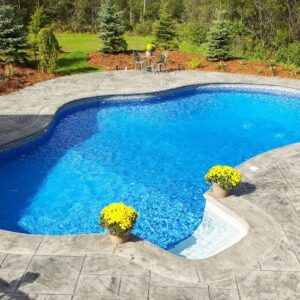
Most inground pool installation projects in Middle Tennessee take eight to fourteen weeks from the start of excavation to the first swim. Pools with complex water features, large spa systems, or extensive hardscape may take longer. For a phase-by-phase breakdown, see our full pool build timeline guide.
Weather is the most common cause of delays. Spring rain and winter freezes both affect concrete and decking work, so flexible scheduling matters. A good builder always builds buffer days into the plan.
What a Reliable Installer Should Deliver
Across the region, the best inground pool installation crews share a few habits. Look for these signs when evaluating any builder.
- Written schedules. Every phase has a start window and a finish window.
- In-house crews. The same team manages the build rather than juggling subcontractors.
- Clear communication. Daily or weekly progress updates are standard.
- Strong warranties. The shell, the finish, and the equipment each carry separate coverage.
- Local references. Recent finished pools in nearby neighborhoods are available to visit.
When all five are in place, the inground pool installation runs smoothly and the end result holds up for decades.
FAQs About Inground Pool Installation
How long does inground pool installation take? Most builds take eight to fourteen weeks. Permits, weather, and feature complexity can extend the timeline. A reputable builder will give you a written schedule with realistic start and finish dates for each phase.
What time of year is best for inground pool installation? Builds can happen year-round in Middle Tennessee. Many homeowners prefer fall and winter starts so the pool is ready by Memorial Day. Starting in spring or summer is fine but often pushes the first swim into the following season.
Do you need a permit for inground pool installation? Yes. Every county and most municipalities require building permits for inground pool installation. Your builder should pull permits and manage all inspections as part of the contract.
Can an inground pool be installed on a sloped yard? Yes. Sloped lots often produce some of the most striking pool designs, with raised walls, retaining structures, and walkout features. The site does require careful engineering, so work with a builder that has experience on hillside builds.
What is included in inground pool installation pricing? Pricing should clearly cover excavation, the shell or liner, plumbing, electrical, equipment, basic decking, tile, coping, interior finish, water fill, and startup. Ask for a line-by-line breakdown so you can see exactly what your inground pool installation includes and where upgrades may add cost.
Ready to Start Your Inground Pool Installation?
If you are ready to break ground, our team is ready to walk your property. Sunshine Pools has served Nashville, Murfreesboro, Lebanon, Goodlettsville, and Nolensville for over forty years. We handle every phase of your inground pool installation with our own in-house crews. Request your free estimate today and let us show you the path from blueprint to first swim.